The Rise of Hiking Among Muslims: A Growing Trend The number of Muslims engaging in hiking and other outdoor activities has
significantly increased during the last several years. This increase is a reflection of larger sociocultural changes, community involvement, and Muslims’ rising knowledge of wellness and health.
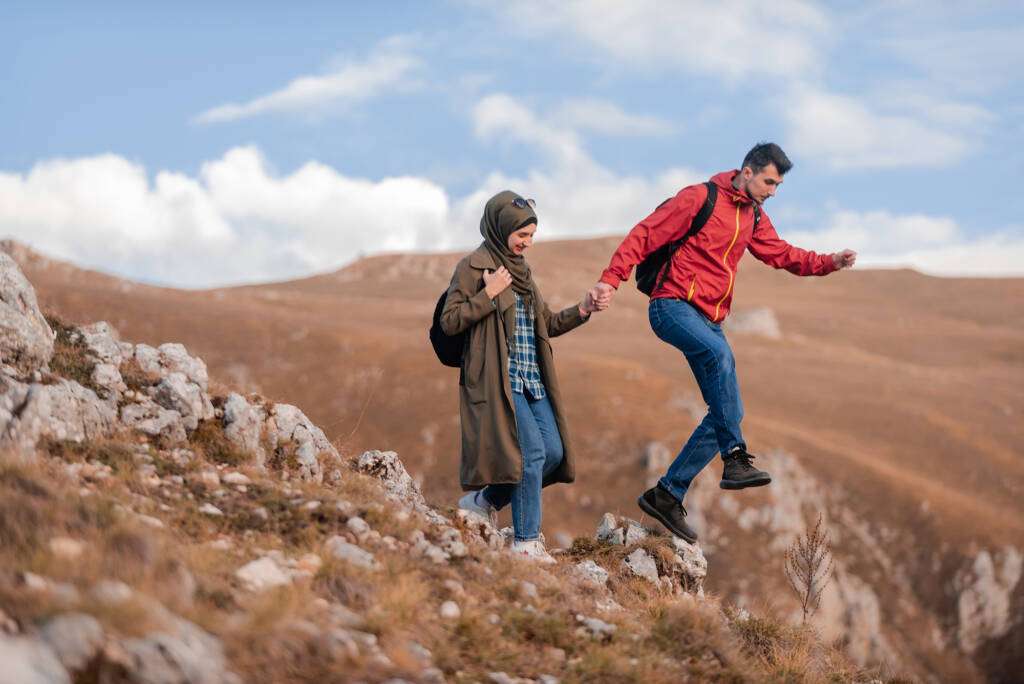
Hiking has evolved from being viewed as a recreational pastime reserved for the largely secular to one that is more accessible to everybody. The “Muslim Hiking Club” and other neighbourhood outdoor organisations have established friendly and secure spaces for Muslims to enjoy the outdoors. The 2019 edition of the “Journal of Outdoor Recreation and Tourism” emphasises the value of neighbourhood-based programmes in encouraging outdoor recreation among underrepresented populations.
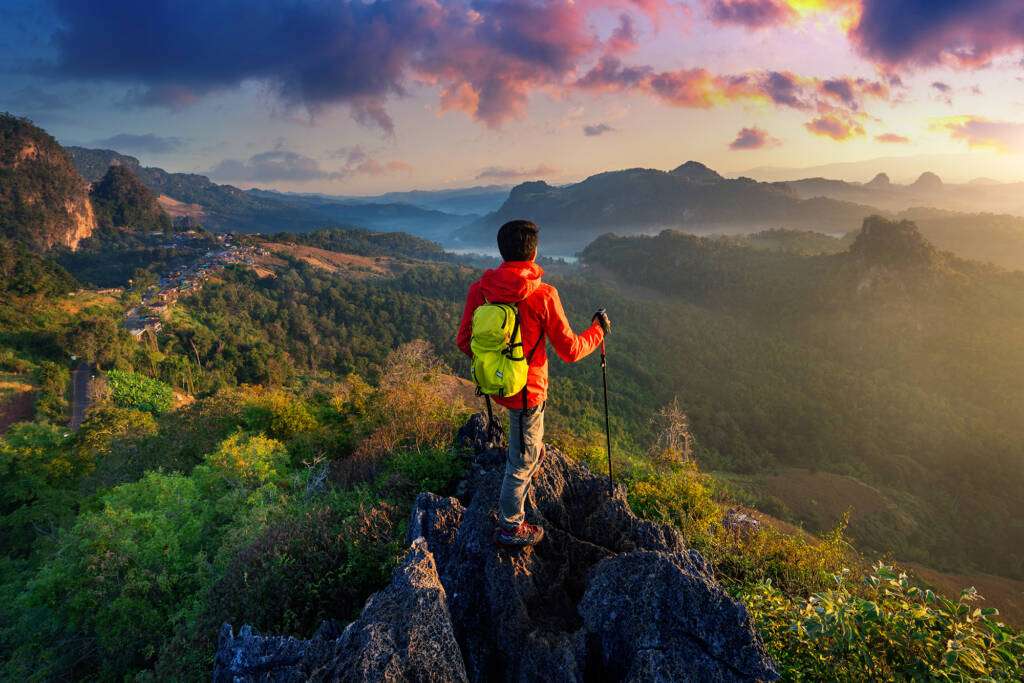
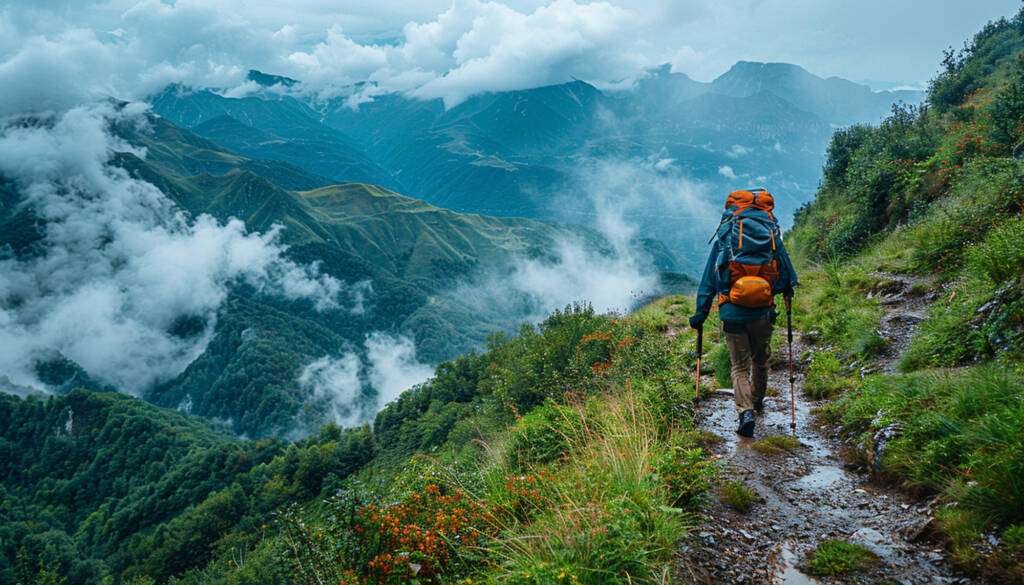
A growing number of Muslims are becoming more conscious of their physical and mental health as knowledge of global health issues grows. WHO, or the World Health Organization, highlights the need of exercise in preserving health, and hiking is a convenient method to fit exercise into everyday activities. A 2020 research published in the “American Journal of Preventive Medicine” demonstrates a link between physical activity outside and better mental and emotional health, which has a profound impact on societies that strive for holistic wellbeing.
Hiking strengthens ties among the community, particularly for young Muslims. Numerous organisations host hiking activities that foster social cohesion and physical well-being. According to a “Muslim Parks” research, outdoor activities help people feel united and like they belong. Hiking in groups fosters interpersonal connections by allowing participants to conquer obstacles together and share similar experiences.
Environmental stewardship has received more attention in recent years, and hiking and other outdoor pursuits are now connected to larger environmental motions. This has been accepted by several Muslim organisations, who have integrated environmental awareness into their operations. The “Islamic Foundation for Ecology and Environmental Science” promotes environmentally conscious behaviour and community involvement with the natural world, inspiring more Muslims to go outside. Hiking is in line with Islamic beliefs on conserving the environment, according to a research published in “Environmental Ethics” (2021) that explores the relationship between faith and environmental stewardship.
Access to travel and adventurous activities has also increased with the growth of social media. Many Muslims are inspired to get outside by the beautiful hiking locations featured on social media platforms like Instagram and TikTok. The “Pew Research Centre” (2021) asserts that social media users’ sharing of their experiences encourages others to participate in outdoor activities, which in turn affects tourism. The hiking community has grown to include more easily accessible, with more materials designed with Muslims in mind. These days, a lot of organisations provide group activities, maps, and advice on appropriate routes that uphold Islamic
principles. According to a study by the “Outdoor Foundation” (2021), obstacles to engaging in outdoor activities have been reduced as a result of focused outreach to a variety of cultures, including Muslims.
Muslims’ growing interest in hiking is a reflection of larger cultural shifts as well as
growing health concern, community development initiatives, and environmental
awareness. Hiking is a great way to promote individual and group growth as more
people want to balance their physical, mental, and spiritual well-being. Research
demonstrates the beneficial effects of this movement and how it promotes overall
wellbeing. Hiking will probably become more popular among Muslims as they
continue to embrace it, creating a greater, inclusive outdoor culture for all.
- American Journal of Preventive Medicine (2020).
- Environmental Ethics (2021).
- Journal of Outdoor Recreation and Tourism (2019).
- Muslim Parks (2021).
- Outdoor Foundation (2021).
- Pew Research Centre (2021).